A Journey Through Authentic Mexican Cuisine: Tacos to Tamales
James Hayes ·
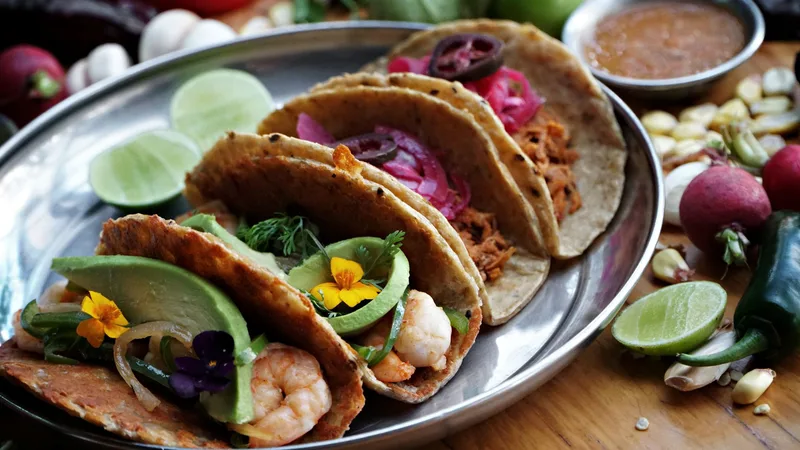
Stepping into a taquería feels like entering a vibrant world where flavors dance and aromas entice. The sizzle of meats on the grill and the fresh smell of corn tortillas bring life to the culinary…
The Origins of Mexican Cuisine
Mexican cuisine is a vibrant mix woven from ancient traditions and modern influences. The roots of this culinary art form can be traced back to indigenous cultures, where local ingredients were revered and utilized in daily meals. Staples such as corn, beans, and chilies form the backbone of many traditional dishes. These ingredients not only provided nourishment but also reflected the deep connection between the people and their land, shaping the flavors that we cherish today
Culinary Roots
Indigenous ingredients like maize, tomatoes, and avocados are at the heart of Mexican cooking, forming the basis for countless recipes. Each of these ingredients carries a rich history, having been cultivated for thousands of years. For example, maize is not just a food source; it's a part of the cultural identity, celebrated in rituals and festivals. The way these ingredients are prepared and combined showcases the creativity and resourcefulness of the indigenous peoples, laying the groundwork for the diverse cuisine we enjoy now. This heritage is a treasure.
Spanish Influence
The arrival of Spanish colonizers in the 16th century introduced new ingredients and cooking techniques that would forever alter Mexican cuisine. This fusion led to the incorporation of spices like cinnamon and cloves, as well as meats such as pork and beef. Traditional dishes evolved, blending these new elements with indigenous practices. The result is a unique culinary scene where tamales and tacos reflect a rich history of adaptation and innovation, creating flavors that resonate with both locals and visitors alike.
Regional Flavors and Specialties
Mexican cuisine is incredibly diverse, with each region contributing its own distinct flavors and specialties. From the seafood-rich coasts of Veracruz to the hearty dishes of the northern states, the geography of Mexico plays a significant role in shaping its culinary offerings. As I’ve explored various taquerías, I’ve been amazed by how local ingredients dictate the menu, showcasing the country’s agricultural bounty. This regionalism not only enhances the dining experience but also invites a deeper appreciation for the cultural uniqueness of each area. Each bite is a journey.
From North to South
The geographical diversity of Mexico results in a wide array of culinary traditions. In the north, for instance, you'll find an emphasis on grilled meats and flour tortillas, while the south is celebrated for its rich mole sauces and corn-based dishes. Each region tells a story through its food, influenced by local climate, agriculture, and cultural practices. This variation creates an adventure for the senses, as flavors shift dramatically from one area to another, inviting diners to explore the rich heritage of Mexican gastronomy.
Unique Ingredients
Local produce and meats play a vital role in defining the flavors of Mexican cuisine. Ingredients like cactus, various types of chilies, and unique herbs like epazote bring distinct tastes to traditional dishes. For example, the use of fresh seafood in coastal regions showcases the abundance of the ocean, while inland areas take pride in their rich agricultural produce. These unique ingredients not only enhance the dishes but also reflect the local culture and traditions, creating a dining experience that is deeply rooted in place and history. Interestingly, as I’ve savored these flavors, I noticed how the excitement of a good meal can parallel the thrill of a well-played hand in web poker cash games, where each decision can lead to a rewarding outcome.
The Art of Making Tacos
Tacos are a staple of Mexican cuisine, embodying the vibrant flavors and traditions of the culture. The magic of a taco begins with the tortilla, which serves as the foundation for endless possibilities. When made fresh, tortillas provide a soft, warm embrace for the delicious fillings that follow. As I watched a local taquero skillfully press masa into perfect rounds, the aroma of corn filled the air, and I understood why fresh tortillas are essential for an authentic taco experience.
Crafting the Perfect Tortilla
The importance of fresh tortillas cannot be overstated; they are the heart of a great taco. Using nixtamalized corn, the dough is transformed into a pliable masa that captures the essence of tradition. In my experience, the best tacos are made with tortillas that are cooked on a hot comal, developing a slight char that enhances their flavor. Watching the tortillas puff up as they cook is a sight to behold and creates an experience that goes beyond just eating—it's about connecting with the craft. This process is a joy to witness.
Filling Variations
Taco fillings offer a world of flavor, each with its own story and origin. From the classic carne asada to the savory al pastor, these fillings reflect regional ingredients and cooking methods. I recall trying a taco filled with cochinita pibil, slow-cooked pork marinated in achiote, which was bursting with flavor. Each bite reveals the culinary heritage of Mexico, making tacos not just a meal but a cultural experience that invites exploration, much like the thrill of discovering new games in a casino.
Tamales: A Celebration of Tradition
Tamales are more than just food; they are a symbol of family and community, often prepared for special occasions and celebrations. The process of making tamales is a labor of love that brings people together, often involving multiple generations in the kitchen. The anticipation builds as the masa is spread onto corn husks, filled with a variety of ingredients, and carefully wrapped. As I joined a family gathering focused on tamale-making, the laughter and stories shared over the table reminded me of the warmth and connection that food can foster. It was a beautiful experience.
The Process of Making Tamales
Making tamales involves several steps that require patience and attention to detail. First, the masa is prepared, incorporating ingredients like lard and broth to achieve the desired consistency. Then, fillings such as shredded chicken or cheese are placed in the center and wrapped tightly in corn husks before being steamed. I found the steaming process fascinating, as each tamale transforms into a tender, flavorful dish. This culinary art form is not just about the end product; it’s about the shared experience of creating something that nourishes both body and soul. Each step is a cherished moment.
Cultural Significance
Tamales hold deep cultural significance, often served during festivals and family gatherings. They are a staple during celebrations like Christmas and Día de los Muertos, where families come together to honor tradition. I remember attending a Día de los Muertos celebration where tamales were offered as part of the altar, symbolizing a connection to loved ones who have passed. Just as tamales bring people together, the thrill of trying your luck at a poker table can create bonds among players, reminding us that food and gambling both share a communal spirit. The connections are real.
Dining Experiences: From Street to Table
Mexican cuisine offers a rich array of flavors that can be savored both on the streets and in elegant dining establishments. The journey from a humble taco vendor to a high-end taquería showcases the evolution of this beloved food culture. Each bite tells a story rooted in tradition, and every meal is an invitation to explore the diverse regions of Mexico. As we explore these culinary experiences, we discover how they reflect the vibrant life and spirit of the country.
Street Food Culture (Why street tacos are a must-try.)
Street tacos are more than just food; they are a cultural experience that captures the essence of Mexican life. Vendors set up their carts with sizzling meats, fresh toppings, and homemade tortillas, creating an atmosphere filled with enticing aromas. The hustle and bustle of the streets, combined with the sound of laughter and conversation, makes for an unforgettable dining experience. Each taco, whether filled with carne asada or al pastor, is crafted with care, showcasing the rich flavors that define Mexico’s culinary identity. It's a must-try.
Restaurant Dining (The evolution of taquerías into fine dining.)
The transformation of taquerías into upscale dining venues reflects a growing appreciation for authentic Mexican cuisine. Chefs are now experimenting with traditional recipes, incorporating modern techniques and presentation styles. This evolution allows diners to enjoy classic dishes in a refined setting, enhancing their experience while still honoring the roots of the cuisine. The ambiance of these restaurants, paired with an innovative menu, invites guests to indulge in a feast that celebrates the depth and complexity of Mexican flavors. It's a new chapter.
Connecting to Casino Entertainment
As the culinary world continues to flourish, the connection between food and entertainment becomes increasingly evident, especially within casino settings. The vibrant flavors of Mexican cuisine are now finding their way into online gaming themes and casino events, creating a unique fusion of taste and entertainment. This dynamic relationship enhances the overall experience for players, making their time spent at the tables or online even more enjoyable. Exploring this intersection reveals how food can be an integral part of the gaming experience. It's a fascinating blend.
The Rise of iGaming (How Mexican cuisine inspires online gaming themes.)
With the rise of iGaming, Mexican cuisine has begun to inspire a variety of online gaming themes. Games featuring vibrant visuals and engaging narratives often draw upon the rich culinary traditions of Mexico, immersing players in a world filled with colorful imagery and cultural references. From slot machines boasting taco symbols to interactive games that highlight the art of cooking, these themes create a playful atmosphere that resonates with food lovers. This innovative approach not only entertains but also educates players about the diverse flavors and dishes that define Mexican culture. It’s a delightful experience.
Food and Gambling Events (Combining culinary experiences with gaming nights.)
Combining culinary experiences with gaming nights has become a popular trend in casinos, enhancing the overall entertainment value. Events featuring Mexican cuisine allow guests to savor delicious dishes while engaging in their favorite games. Picture an evening where guests enjoy fresh guacamole and street tacos as they try their luck at the poker table. These events not only create a lively atmosphere but also celebrate the rich flavors of Mexico, making the gaming experience more memorable and enjoyable for everyone involved. It's a feast for the senses.